Which Saxophone Should I Buy? A Confident Guide for Finding the Right Fit
Choosing the right saxophone can feel like a big decision, but it doesn’t have to be overwhelming. Whether you're picking up your very first saxophone or upgrading to a professional model, understanding your options and what to look for will make the process much easier. In this guide, we'll break down the key factors to help you make an informed, confident decision.
Understanding the Saxophone Family
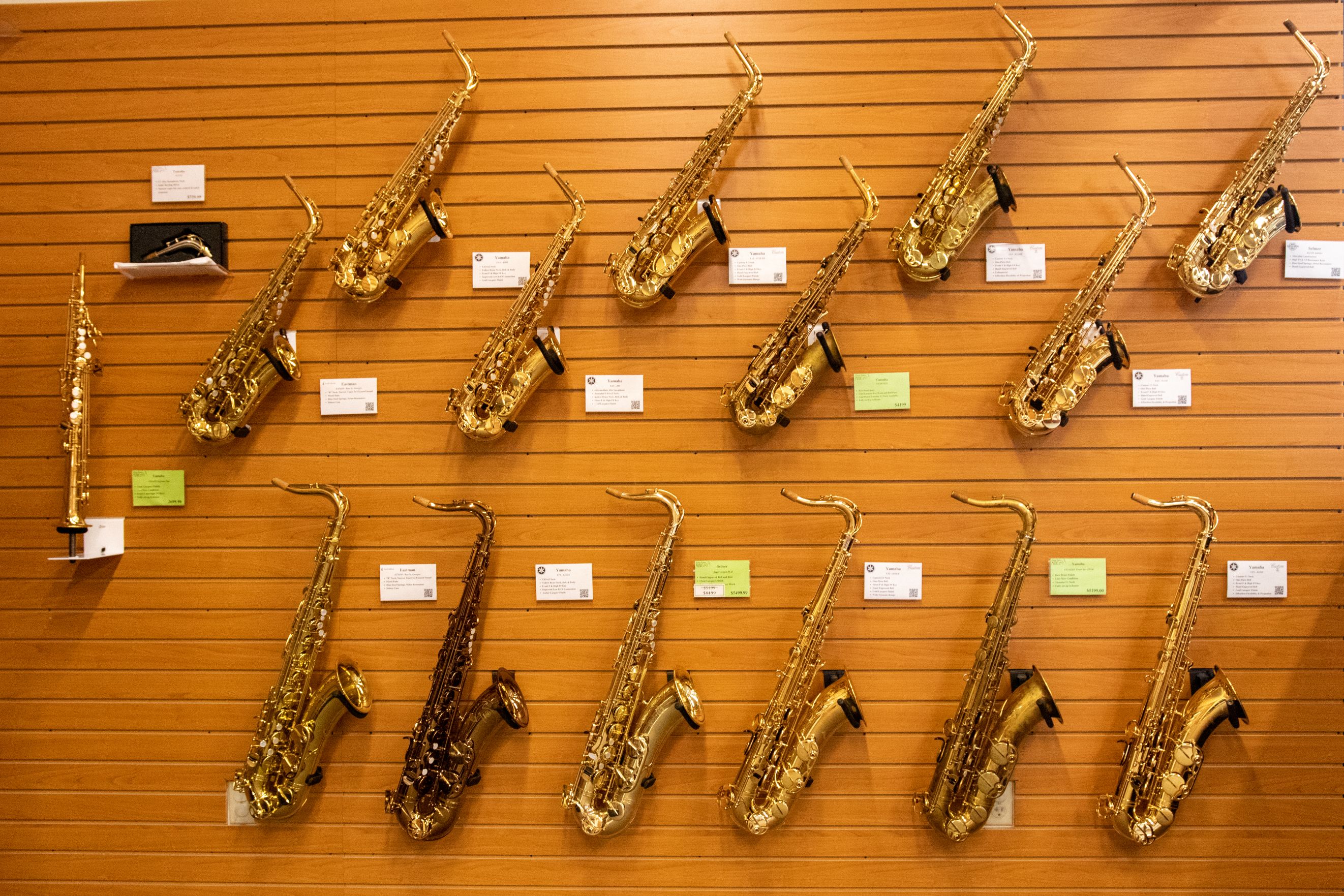
There are four main types of saxophones, each offering its own unique sound and playing experience. Here's a quick overview of the four, from the smallest to the largest:
Soprano Saxophone
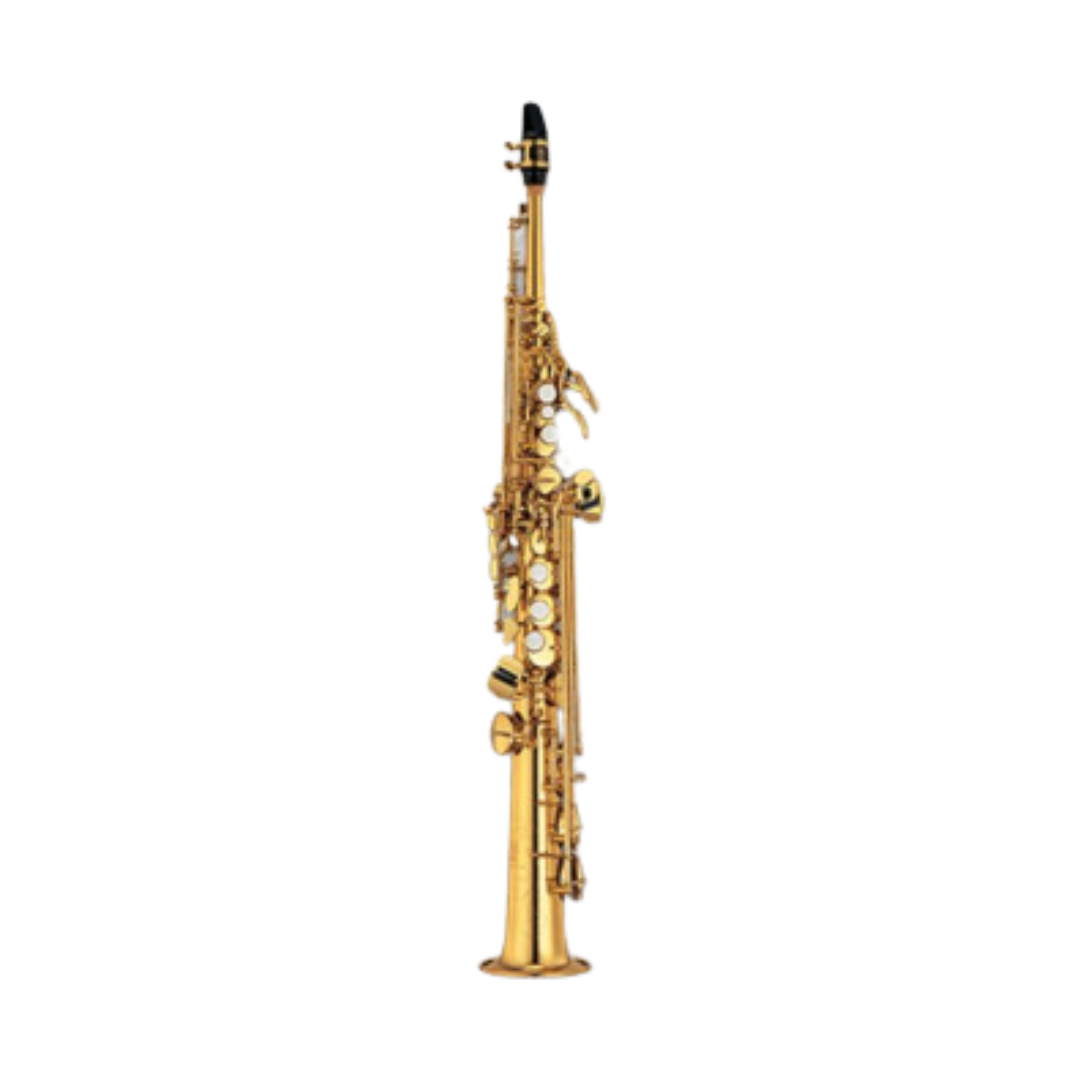
The soprano sax is the smallest and highest-pitched saxophone, and it can be a bit tricky for beginners due to its higher range. Achieving consistent intonation can take time, but with practice, it can deliver a rich, bright sound. (Not recommended for primary school beginners)
Alto Saxophone
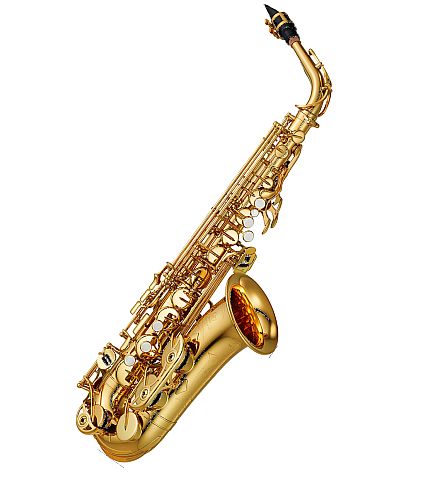
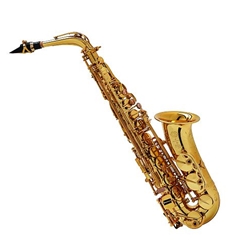
The ‘Goldilocks’ choice for most beginners, the Alto Saxophone is not too big, not too heavy and is commonly used in concert bands, jazz ensembles, and classical settings. Its compact layout makes it easier to handle, and it requires less air than larger models, making it an excellent choice for younger or less experienced players.
Tenor Saxophone
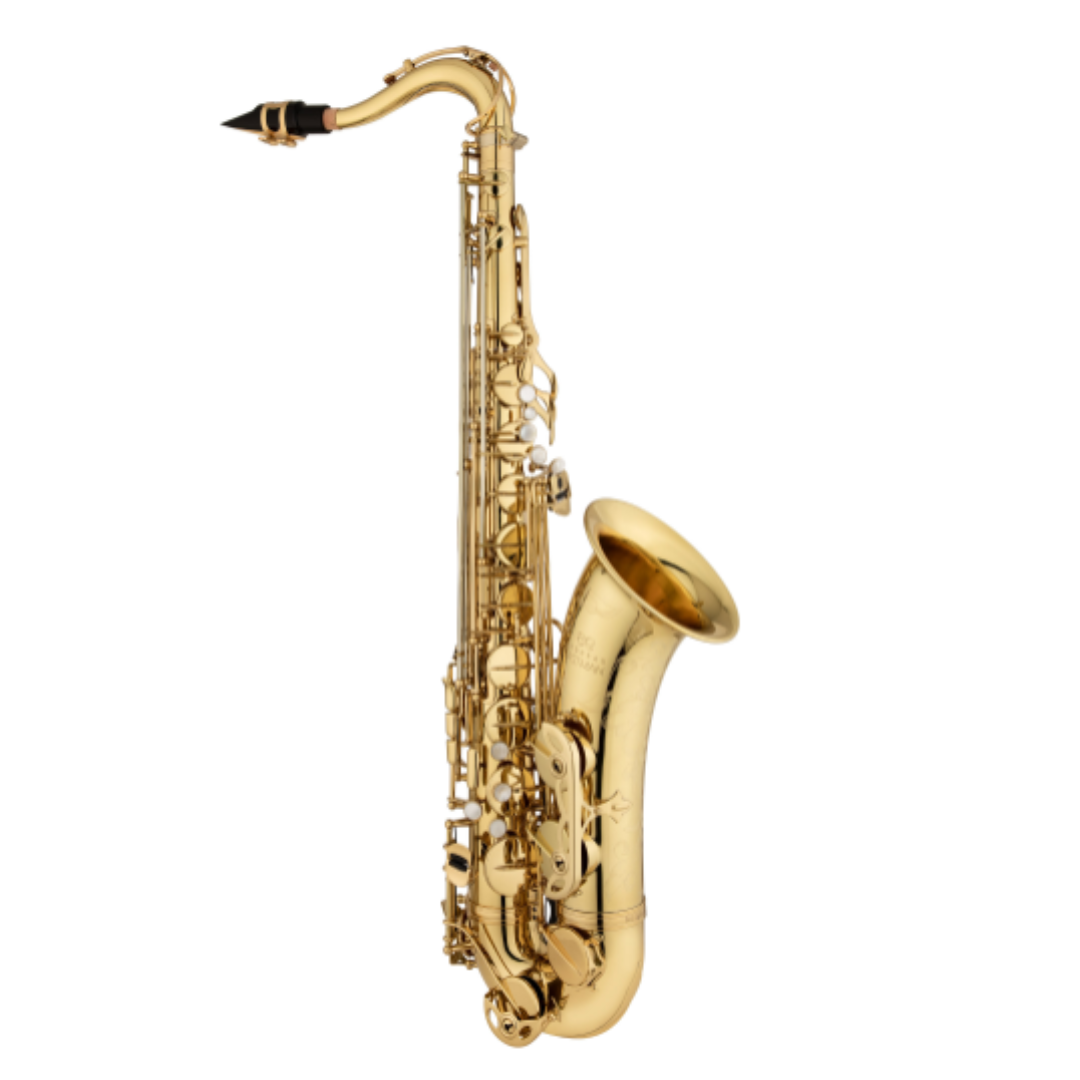
The tenor is slightly larger than the alto, with a deeper, more resonant sound. While it shares a similar shape to the alto, the tenor is often favored in jazz and contemporary music for its smooth, rich tone. Players typically start with the alto and may transition to the tenor after gaining more experience.
Baritone Saxophone
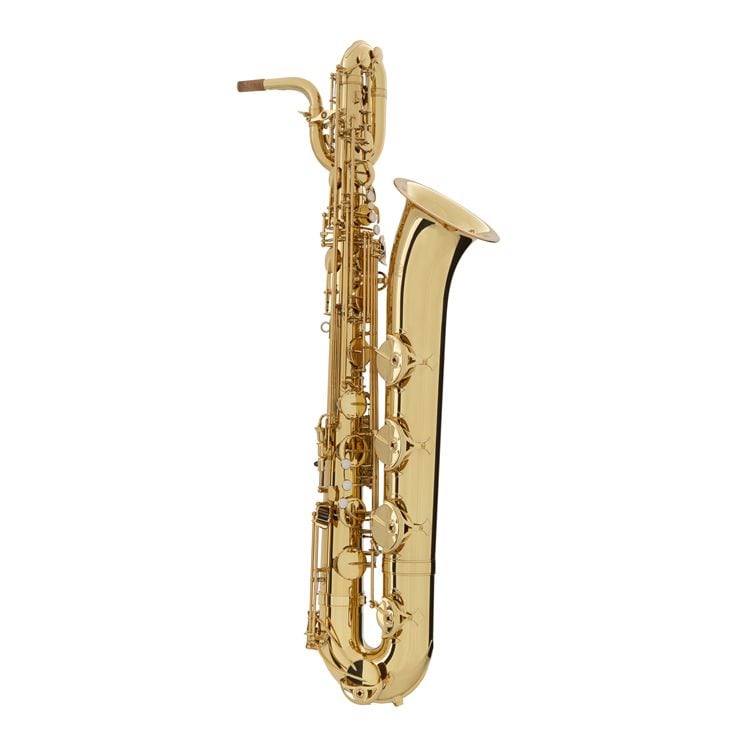
The baritone is the largest of the saxophone family, with a deep, powerful voice. It's typically used in large ensembles or as part of a rhythm section in jazz. Due to its size and the breath support required, it's best suited for players who have several years of experience on smaller saxophones.
Student Model vs. Professional Model: What’s the Difference?
One of the most important decisions you'll make is whether to buy a student model or a professional model saxophone. Here’s what to keep in mind:
- Student Model Saxophones are designed for beginners. They are built to be durable, easy to play, and affordable. The construction may not have the precision of a professional model, but it’s perfect for getting started and developing basic skills.
- Professional Model Saxophones are crafted with greater attention to detail and designed for optimal performance. These instruments typically feature higher-quality materials, hand-engraved detailing, and advanced keywork.
Financing & Flexibility
We understand that buying a musical instrument is an investment in your child’s future. That’s why David French Music offers flexible rent-to-own programs for entry-level saxophones and easy financing programs for intermediate and professional-grade saxophones. We want you to focus on the music, while we handle the logistics of making the right saxophone affordable for your family.
Upgrading to a Professional Saxophone: What to Consider
When you’re ready to invest in a professional or intermediate-level saxophone, focus on the following:

Materials: Most saxophones are made from yellow brass, but high-end models may incorporate other materials such as bronze, red brass, copper, or sterling silver. Bronze models tend to have a warmer sound, while sterling silver offers a brighter tone.
Finishes: The finish affects both appearance and sound:
- Clear Lacquer: The most common finish; provides a shiny, protective coating.
- Plating: Silver-plated saxophones produce a brighter sound but require more maintenance to prevent tarnish.
- Specialty Finishes: Available in matte, honey gold, or black. These affect the price more than the sound.
- Unlacquered (Raw Brass): Preferred by some for a vintage look and slight tonal difference.
Mouthpieces: A simple and cost-effective way to change your sound. A new mouthpiece can significantly alter the tone without the need for a full upgrade.
How Do You Know You've Found the Right Saxophone?
The best way to determine which saxophone is right for you is to try them out. Pay attention to how each one feels and sounds. Does it feel comfortable in your hands? Trust your instincts. The right saxophone should feel like an extension of yourself.
Final Thoughts
Choosing the right saxophone is a personal decision that depends on your playing style, skill level, and goals. Don't rush—take the time to test out different instruments, and when you find the one that feels just right, you'll know you’ve made the right choice. Happy playing!